Laniakea installation
Laniakea relies on the INDIGO-DataCloud software catalogue. The Fig. 1 shows the deployment strategy to be followed to install Laniakea.
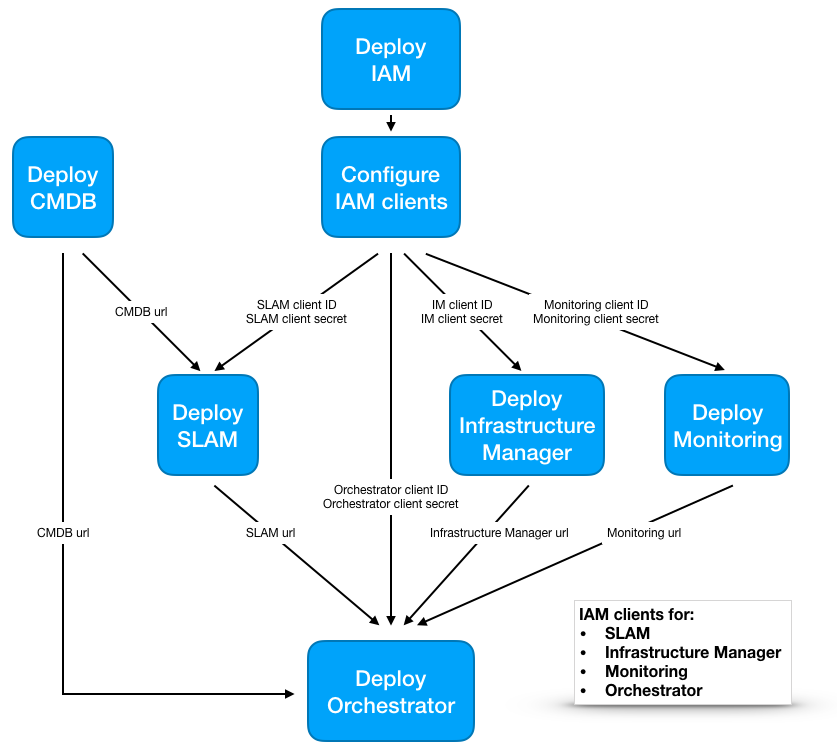
Fig 1: PaaS component architecture scheme
We tested our deployment on OpenStack Mitaka and Stein, using Ubuntu 16.04 as default OS.
Docker containers are used to provide the INDIGO microservices: each INDIGO component is installed using its official Docker container and run on a specific Virtual Machine.
Tab. 1 shows the VMs tha has to be created, their requirements and the corresponding ports configuration needed to install Laniakea.
Please create the needed VMs with the following configuration:
INDIGO Component |
RAM |
vCPU |
Ports |
Network |
|---|---|---|---|---|
Proxy server |
2 GB |
1 |
22, 443, 8080, 8443 |
public IP
private IP
|
Identity and Access Manager (IAM) |
4 GB |
2 |
22, 443 |
public IP |
Infrastructure Manager (IM) |
4 GB |
2 |
22, 8800 |
private IP |
Change Management Database (CMDB),
Cloud Provider Ranker (CPR)
Cloud Info Provider (CIP)
|
4 GB |
2 |
22, 443, 5984, 8080, 8081 |
private IP |
Service Level Agreement Tool (SLAT) |
2 GB |
1 |
22, 5001 |
private IP |
PaaS Orchestrator |
4 GB |
2 |
22, 443 |
private IP |
HashiCorp Vault and Dashboard |
4 GB |
2 |
22, 8200, 8250, 443 |
public IP |
In particular we highlight in the table the VM Network configuration, i.e. if the VM needs a public IP address to be accessed from outside or a private IP address is enough.
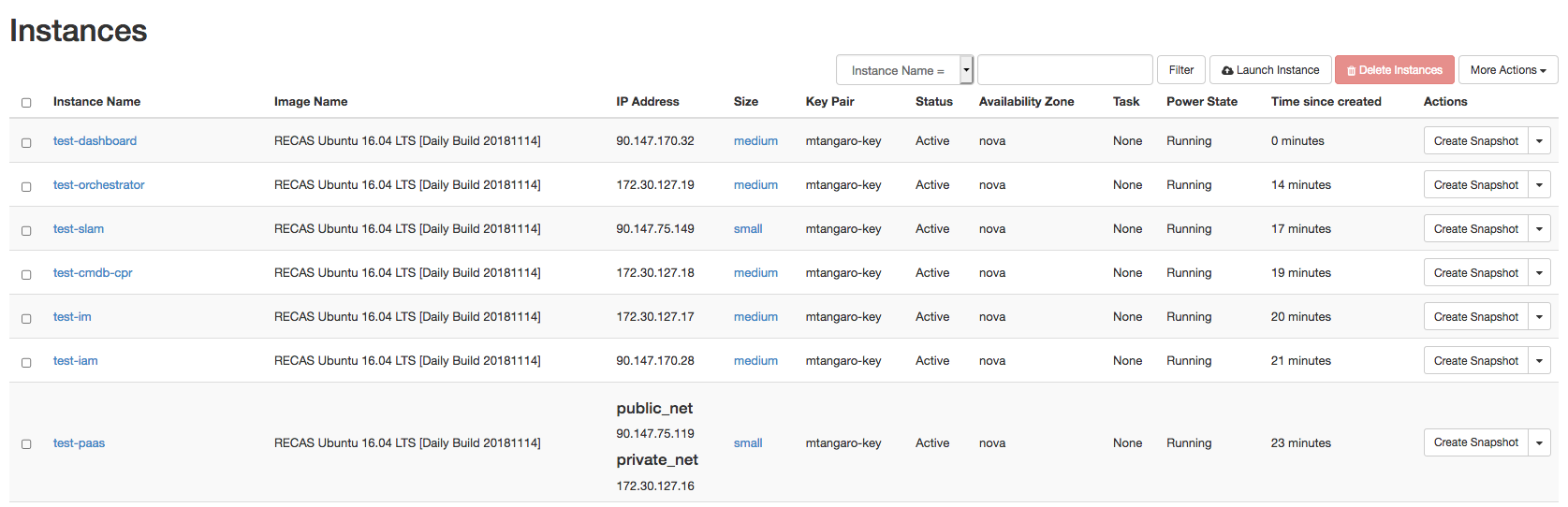
Fig 2: INDIGO PaaS VMs view on OpenStack
Services end-points
Once installed the services will be available at the following endpoint:
Service |
end-point |
|---|---|
IAM |
https://<iam_vm_dns_name>/ |
SLAM |
https://<slam_vm_dns_name>:8443/auth |
Proxy |
https://<proxy_vm_dns_name> |
CMDB |
https://<proxy_vm_dns_name>/couch/_utils/database.html?indigo-cmdb-v2 |
IM |
https://<proxy_vm_dns_name>/im |
CPR |
https://<proxy_vm_dns_name>/cpr |
Orchestrator |
https://<proxy_vm_dns_name>/orchestrator |
Dashboard |
https://<dashboard_vm_dns_name> |